Join a Retreat

Why we ask for gender
This helps us show you the right room options and create a more inclusive experience for everyone.
Whether you're brand new to the world of psychedelics and want a safe way to explore, or you're already experienced and want to go deeper, we've got you.
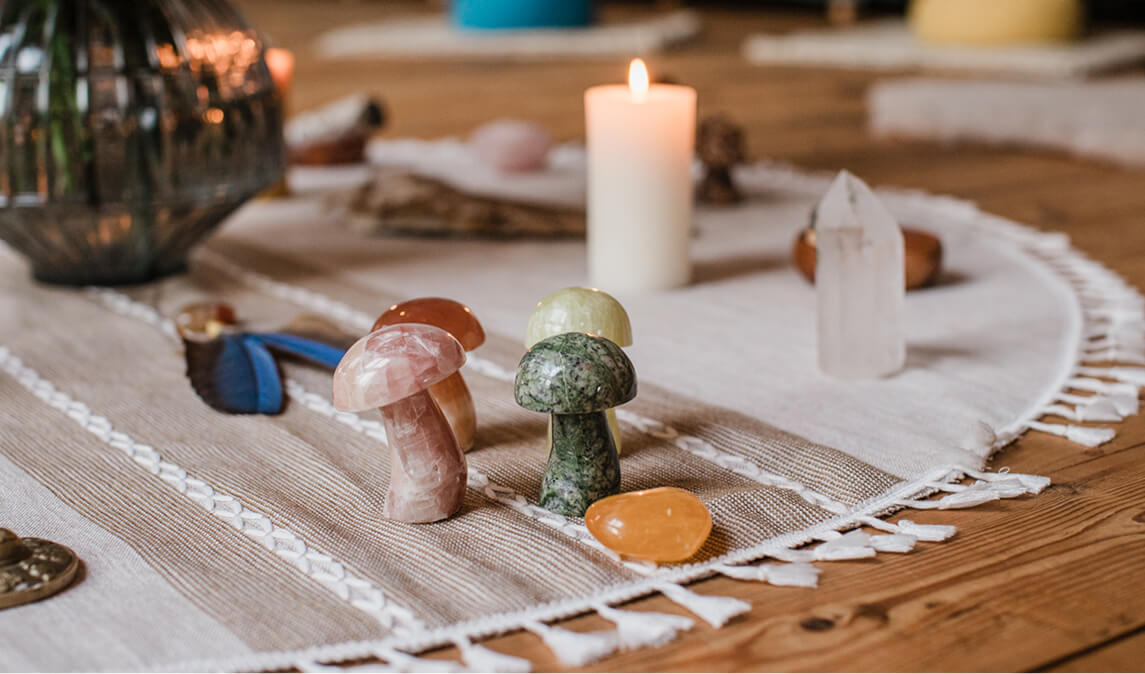
Our signagture 5-day psychedelic retreat
A retreat for Alalaho alumni who want to go deeper
A potent combination of Buddhist wisdom and psychedelic exploration
A potent combination of Buddhist wisdom and psychedelic exploration
A potent combination of Buddhist wisdom and psychedelic exploration
Find answers to all your questions
Have questions you don't see here? Reach out to us.
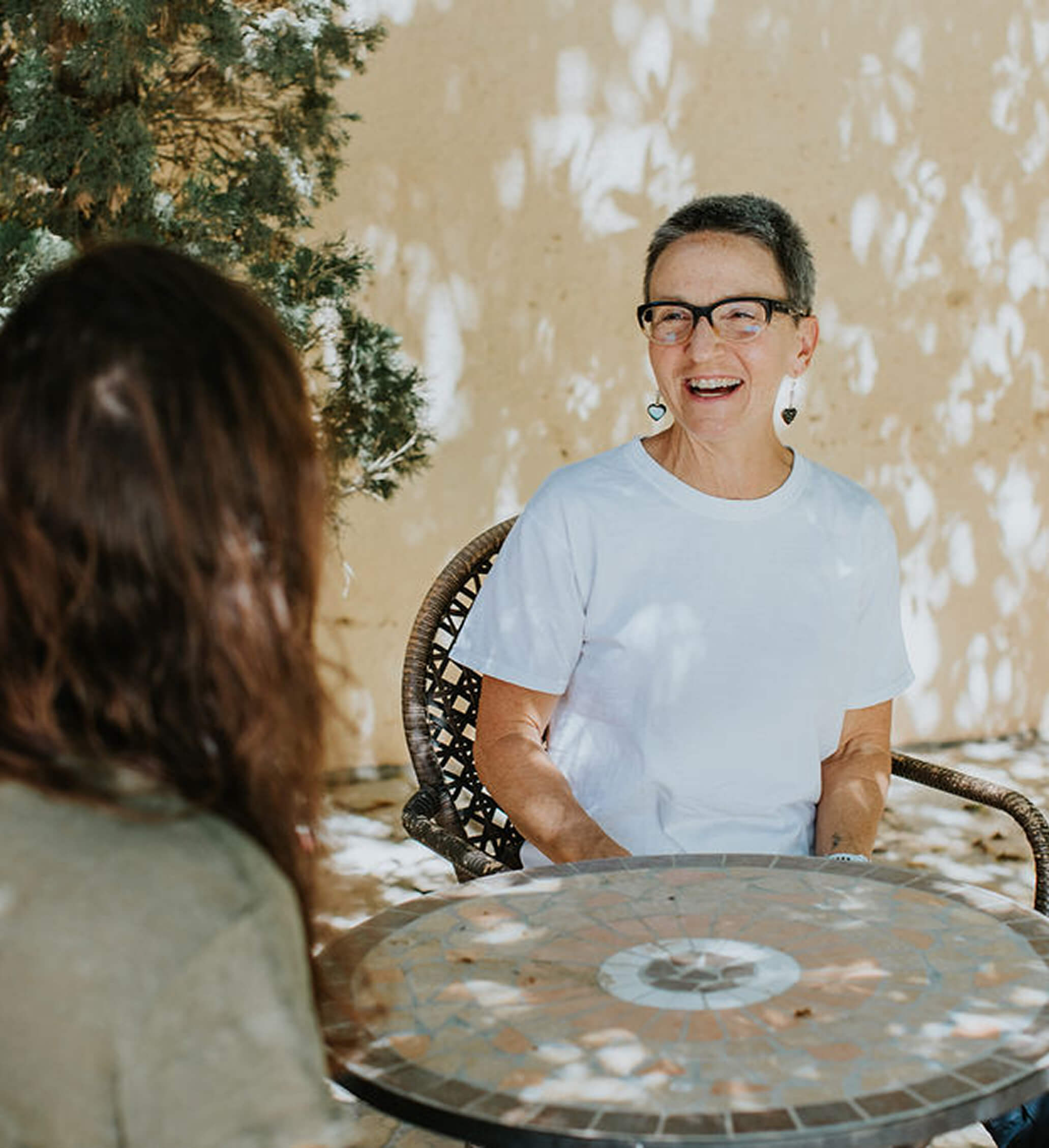
Applying for a retreat
Your intake form is an important part of our screening and onboarding process. It helps us get a sense of where you’re coming from, what your needs might be, and whether this retreat feels like the right fit for you at this time.
Your responses will only be shared with a small number of Alalaho team members, primarily the screener and your facilitation team. After the retreat, your facilitation team is supervised by a UKCP-registered professional supervisor, who may hear about your process as part of our commitment to responsible, high-quality care. This is the only external professional who might ever hear about your personal material.
We take confidentiality seriously. Your form is stored securely and will never be shared outside the organisation. We keep your information on file in case you decide to apply again in the future, so we can better support you by referring back to your initial application.
Providing an emergency contact is standard procedure and part of our commitment to working in a safe, responsible, and ethical way.
In the very unlikely event that something were to happen — for example, a medical issue or injury — it’s important that we’re able to reach someone close to you who can be informed and involved if needed.
There are no strict rules around who this should be, but it should be someone you trust, such as a partner, close friend, parent, or family member. It’s important that you let them know ahead of time that you’ll be attending a retreat and that they’ve been listed as your emergency contact. Ideally, this is someone who is easy to reach and checks their phone regularly.
We also recommend that at least one person in your life knows where you’re going and what you’ll be doing. This can be an important part of your integration process. Whether it's a therapist, friend, or family member, having someone who can hold space for you afterwards can make a big difference.
We will never contact your emergency person without your consent, except in the rare case of a genuine emergency.
Our sincere intention is to make this work accessible to as many people as possible. However, part of our duty of care is to recognise the limitations of what we can safely and ethically offer in a group retreat setting.
Some factors—such as serious cardiovascular conditions (e.g. recent heart attack or stroke), neurological issues (e.g. epilepsy or brain trauma), or the use of certain medications (e.g. antidepressants like SSRIs or TCAs, mood stabilisers like lithium, or antipsychotics like Abilify)—mean we unfortunately cannot welcome you on a retreat, due to the potentially dangerous interactions these may have with psilocybin.
Likewise, certain mental health conditions—such as psychosis, bipolar disorder, or some forms of personality disorder—are not compatible with the nature of this work or the level of support we’re able to provide.
That said, not all situations are black and white. Some fall into a grey area, where a number of factors need to be considered together on a case-by-case basis. If you're unsure, we encourage you to reach out to us (via [WhatsApp/email]) before booking or paying a deposit. You’re welcome to share a bit about your unique situation, questions, or hesitations—and we’ll let you know whether the retreat is clearly contraindicated, or whether it’s worth taking the next step and completing a full health form for review.
If appropriate, we’ll then schedule a one-on-one call with a senior facilitator to explore more deeply whether this experience is a good fit for you, at this time.
Your intake form is an important part of our screening and onboarding process. It helps us get a sense of where you’re coming from, what your needs might bAbsolutely not. In fact, many—if not most—of our participants have experienced some form of mild or moderate depression. We see this not just as a personal symptom, often linked to unresolved life experiences, but also as a societal one—a reflection of the disconnection, stress, and structural challenges so many of us face in the modern world.
So no, this diagnosis does not preclude you from attending. Quite the contrary: a retreat can be a profoundly supportive experience—helping to lift some of the heaviness, reconnect you to a sense of vitality, and begin to heal the deeper wounds that may be blocking access to your innate joy.
If your depression is more chronic or severe, that doesn’t automatically exclude you either, but we will want to explore your individual situation in more depth during your 1:1 onboarding call.
We review each application on a case-by-case basis. While the science around psilocybin and depression is encouraging, we need to feel confident that you're coming from a reasonably stable place—a place from which the inner movement or intensity that can arise during a psychedelic retreat will be something you can navigate and integrate when you return home.
It’s also important to note that our retreats are not a form of treatment or therapy, but rather a complement to your wider healing journey. We’ve welcomed many participants with a diagnosis of mild to moderate depression who found the retreat to be a powerful catalyst—especially when held within the wider context of ongoing therapy, meditation, or community support.e, and whether this retreat feels like the right fit for you at this time.
Unfortunately, we are not able to accept participants who are currently taking SSRI or SNRI antidepressant medication.
This is because these medications act on the same serotonin receptor system as psilocybin and tend to dampen or block its effects. As a result, the psychedelic experience may be significantly weakened—or not work at all. Increasing the dose of psilocybin to try and “break through” the medication is not a safe or sensible approach, and we would never advise or allow it.
Additionally, we cannot legally or ethically ask you to go against your doctor’s medical advice.
If, in consultation with your prescribing doctor, you decide to safely taper off your medication, we typically only accept applicants who have been fully off antidepressants for at least 3 months before the start of the retreat. This is to ensure there is enough time for your system to stabilise and for the effects of the medication to clear.
Your wellbeing is our priority, and we deeply respect the role that medication plays in many people's mental health journeys. If you're unsure about your situation, feel free to reach out—we're happy to discuss further.
We are extremely diligent when it comes to screening for suitability. Psychedelic retreats can be deeply transformative, and we want to make sure that attending one is the right step for you at this time.
Our process begins with a detailed application form, where we ask about your mental health, physical health, and personal history. Once you've submitted this, you’ll be invited to a one-on-one intake call with a senior member of our facilitation team.
This call is not just a formality—it’s a space to get to know you as a whole person, understand your intentions, and explore how the retreat might best support you. It also gives us the chance to consider any potential contraindications and ensure that a group psychedelic retreat is a safe and appropriate next step for you.
Some factors are clear-cut, but many fall into a more nuanced, case-by-case territory. We take the time to look at the bigger picture—your current support systems, emotional stability, and capacity to integrate the experience afterwards.
Throughout the process, our priority is your safety, readiness, and the integrity of your journey—so that if you do join us, you feel genuinely prepared and well held.
The retreat experience
The retreat follows a carefully designed arc that guides you from preparation into the depth of the ceremony and then back out through integration. Each phase is intentional, ensuring a journey that supports you in entering deeply, navigating your experience, and integrating what arises in a meaningful way.
Within this overall arc, each day has a structured yet spacious rhythm:
• Morning practice – We begin each day with awareness-based or somatic practices to help you land in yourself, tune into what’s present, and set the tone for the day ahead.
• Breakfast – A shared meal to nourish the body and connect.
• Morning workshop – This could be a preparation or integration session, depending on where we are in the retreat process. Some days also include a one-on-one session with a facilitator, offering individualized support before or after the ceremony.
• Afternoon rest – A period of spaciousness, where you can either be in quiet reflection or engage in more social, celebratory rest time.
• Late afternoon workshop (on most days) – Another group session to deepen the process before dinner.
• Dinner – A grounding, nourishing meal shared together.
• Evening activity – Gentle, connecting, and grounding, such as gathering around a fire for deep conversation.
Throughout the retreat, we also incorporate periods of silence to allow for deeper inner connection. These silent moments create space for reflection, giving you time to process without being in constant social interaction, which—while beautiful and essential—can sometimes take energy away from your personal journey.
Each day is thoughtfully designed to balance solo time, group exploration, structured guidance, and organic unfolding, creating an environment where you can fully immerse yourself in the experience.
First and foremost — life-changing.
This is one of the most common questions we receive, especially because the group aspect is often what people feel most nervous about when signing up. Yet, when we ask participants after their retreat, many say that the group experience was one of the most, if not the most, powerful, transformative, and healing aspects of their journey.
It’s hard to put into words, but one of the most remarkable things about a group retreat is that it amplifies the healing and transformative power of psychedelic medicine. While one-on-one therapy and psychedelic work have immense value, group retreats bring something unique. They allow for additional practices — especially relational work, which is essential for deep healing.
Many of the wounds and traumas we carry are relational in nature. They were formed in relationships, and so, they must also be healed in relationships. Being in a group creates a rare opportunity to work through the relational patterns that keep us stuck. It provides a sense of support and community that is not only profoundly moving but also deeply in line with how psychedelic medicines have been used across cultures for centuries.
There is also something truly magical that happens in a group setting. Different people mirror different parts of ourselves — through their stories, their processes, their presence. This shared experience allows us to see and integrate parts of ourselves in ways that simply aren’t available when working alone.
And finally — it’s a lot of fun. There’s something deeply joyful about sharing such a profound experience with like-minded, open-hearted people. Going through something so big together creates deep bonds, moments of celebration, and a sense of connection that stays with you long after the retreat ends.
Our retreats usually have between 10 and 14 participants. Occasionally, there may be smaller groups of 8 or larger groups of up to 16, but we always maintain a 3:1 or 4:1 participant-to-facilitator ratio. This means that every retreat is supported by a team of four facilitators, ensuring that each person receives ample attention and care.
We’ve found this group size to be the sweet spot. It creates a strong sense of community, with enough diversity of backgrounds, life stories, and experiences to bring richness to the group field. At the same time, it remains small enough to feel intimate and cohesive, where everyone gets to know each other deeply and forms meaningful connections.
We hear you. And you are so not alone.
When we survey our participants, it’s clear that the #1 thing people worry about before the retreat is the group.
But those same people go on to say that the group is also the top thing that made their time at the retreat so wonderful.
In our experience, the thing people fear is also what becomes their greatest medicine. There’s something profoundly healing about going through this experience with others by your side — witnessing and being witnessed. And the connections you create at the retreat are deep and lasting, even in a few days.
Those connections (and the group itself) also become an incredibly valuable resource and source of support during your integration phase, and you’ll keep them long after the retreat has ended.
It’s completely normal to feel some hesitation, especially if you’re at all introverted — but don’t be surprised if the group actually ends up being one of your favourite parts of the experience.
Yes – we welcome couples on our retreats and it is often a beautiful experience for you to share as a couple. That said, each person will need to apply and be accepted individually. Should you both be accepted on retreat, we can usually accommodate you in a private room.
While a beautiful experience to share together, we generally recommend that couples do not sit next to each other during the ceremony itself in order to create optimal conditions for each person’s own inner exploration. We are happy to find the right arrangement with you on a case-by-case basis.
Our retreats attract participants primarily from across Europe but include participants from as far afield as New Zealand, Hong Kong and the United States. While the retreats are multinational and multicultural, all the conversations on the retreat are in English and it is crucial that participants have sufficient mastery of the language to be able to communicate with the facilitators and to participate in the group activities. At this point, we are unable to accommodate translators.
The short answer is no — but with some nuances.
We strongly encourage participants to hand in their phones and devices at the start of the retreat. This is a crucial part of the process. Our lives are filled with distractions — notifications, to-do lists, responsibilities — and one of the most powerful aspects of the retreat is the digital detox. Being fully present, both with yourself and with the group, is essential for deep engagement and transformation.
That said, we always approach this in a supportive and practical way:
• We provide an emergency contact number that you can share with your family or loved ones. A team member will have access to a phone and will check for any urgent messages.
• If you have a specific personal situation — for example, a sick parent or young children — we can arrange for you to briefly check your phone at a set time each day. We safeguard your device for you and provide a short window to send and receive messages before handing it back. This ensures you stay connected only as much as absolutely necessary, without the temptation of constant checking.
Most participants are amazed by how freeing and restorative it is to be without their devices. It often becomes one of the most unexpected gifts of the retreat.
Regarding work, we very strongly advise that you make all necessary arrangements beforehand so that you can fully switch off. The retreat is a profound process, and work-related distractions can be disruptive, making it harder to fully engage. We deeply encourage you to step away completely — it makes a world of difference.
No, it is not possible to arrive late or leave early.
The retreat program has been carefully designed as a cohesive journey, with each part of the process building on the next. The opening and closing of the retreat are essential, setting the foundation and completing the experience in an intentional way. Missing any part of the process can disrupt not only your own journey but also the group dynamic.
For this reason, we ask that all participants make the necessary arrangements to ensure they arrive on time and leave together with the group.
The psilocybin ceremony and psychedelic experience is — of course — a huge part of the Alalaho experience, and probably the thing you’re most anticipating. But the retreat is really about so much more.
Psychedelics are just one tool of many we use to help you create change in your life. We’ve carefully designed every element of the retreat to help you go deeper, and make sure you get as much as you can from this experience.
This includes ample time for intention setting, along with time to start integrating what you’ve learned into how you live — making sure you also have lots of time to work with our onsite team of professional therapists and psychedelic guides. Plus, we have a feeling you’ll appreciate having the time to just enjoy your post-ceremony glow.
We’ve tested our process over the course of at least 100 retreats now, and we’ve found that five days is optimal for the best experience and results.
Psychedelics
Perfect! In fact, most of our participants have never taken psychedelics — or any other mind-altering substances — before attending a retreat. Our program is specifically designed to support complete newcomers, ensuring that you enter the experience in a safe, well-prepared, and fully supported way.
This is why we place such a strong emphasis on preparation — both before and during the retreat — so that you feel confident going into the ceremony. During the experience itself, you’ll be held by an experienced team, and afterwards, our integration process helps you make sense of what unfolded and carry it forward in a meaningful way.
That said, we also welcome participants who already have experience with psychedelics — whether recreationally or in ceremonial settings — but who want to explore these medicines more deeply, in an environment designed for profound inner work. There is something incredibly powerful about experiencing psychedelics in a deeply held space, where your nervous system knows it is fully supported. This allows the mind and body to relax into the process, often leading to deeper and more transformative experiences than when taking these substances alone or in casual settings.
No problem at all — you are absolutely welcome to join one of our retreats, whether it’s a Core Retreat or one of our themed or specialised retreats that might align with your interests.
Many of our participants have prior experience with psychedelics. Some have taken them recreationally — at festivals, parties, or simply in nature with friends — and feel drawn to exploring these medicines in a more intentional, supported setting. A retreat environment offers a very different kind of experience, allowing for deeper, more transformative, and often more healing journeys. When your body and nervous system feel fully held, you’re able to relax into the process and go deeper than you might in a setting where part of your attention is on the outside world or on navigating the experience alone.
Others who join us have already worked with psychedelics in ceremonial or retreat settings but are seeking something more. What many people realize after attending an Alalaho retreat is that the psychedelic ceremony itself is just one piece of the journey. The richness of the program — the workshops, practices, and integration modalities woven throughout — adds immense value to the experience. Even if you’ve sat in ceremony before, the depth of the container we create can bring new levels of insight, healing, and transformation.
The setting we’ve created — and continuously refined over nearly a decade — is one we consider optimal for this kind of deep inner work.
Our retreats take place in stunning, remote locations, far from the noise and agitation of everyday life. We choose venues in countries where the legal landscape supports this work, and we’re thoughtful in selecting spaces that feel both nourishing and beautiful —luxurious but never pretentious.
Each setting offers a balance of comfort, quiet, and natural beauty. You’ll find yourself in peaceful surroundings, with cozy accommodation, wholesome and delicious food, and a sense of stillness that helps you settle into the right state of mind for the journey.
Every element of the environment is designed to support your process — from the land itself to the care woven into every detail.
Psilocybin truffles are essentially the underground part of the same organism that produces magic mushrooms. While mushrooms are the fruiting body of the mycelium network, truffles are more like dense knots or condensations of mycelium.
They contain the exact same active compound — psilocybin — and produce the same effects. The only difference is in their form and how they're dosed.
The main reason we work with truffles is legal: in countries like the Netherlands, psilocybin mushrooms have been banned, but truffles remain legal. In Spain, their consumption is also decriminalised, which allows us to work within a clear and safe legal framework.
So while the format may be different, the molecule and the experience it supports are the same.
We serve the truffles in the form of a warm ginger tea. The fresh ginger has natural anti-nausea properties and helps support both digestion and absorption, making the experience gentler on the stomach.
You’ll receive two infusions, served at the ideal temperature to extract most — if not all — of the psilocybin from the truffles. There’s no need to eat the truffles themselves, which further reduces the likelihood of any digestive discomfort.
While some people worry about nausea, it’s actually quite rare in our retreats. When it does arise, it’s usually more linked to nerves than to the truffles themselves. Psilocybin truffles (like magic mushrooms) are very low in toxicity, and our facilitators are there to support you through any physical discomfort with grounding, presence, and breathwork.
For most participants, the tea is a gentle and well-tolerated way to enter the experience.
We use a dose of 35 grams of fresh psilocybin truffles per person. This is a large, therapeutic dose, refined over nearly a decade of guiding psychedelic retreats.
We’ve found this amount to be a sweet spot: strong enough to allow for deep, transformative experiences, but not so overwhelming that it disconnects participants from their sense of agency.
While it’s higher than a typical recreational dose, it’s carefully calibrated to support therapeutic depth, helping people move beyond the tight grip of the rational, controlling mind. Lower doses often keep people in a kind of inner tug-of-war, whereas this amount allows for genuine emotional release and insight — without sending people into a space that feels unmanageable or too far removed from themselves.
For reference, 35g of fresh truffles is roughly equivalent to 3.5g of dried mushrooms — but that’s a loose comparison. Potency can vary between mushrooms, so equivalence isn’t an exact science.
We don’t follow the “hero dose” philosophy; instead, our approach is about finding the right dose for the deepest, most integrative experience possible — one that opens, rather than overwhelms.
When you go through a psychedelic ceremony, it will bring up a lot of material for you. We find that so much comes through a single ceremony, that it’s important to have time to process and integrate, before going back for another deep dive.
Also, unlike some other psychedelics, where it’s common to have multiple ceremonies in a row, your body quickly builds tolerance to psilocybin — which makes it difficult to dose even if you wanted to have further experiences.
We’ve said it before: this experience is about something much deeper than a psychedelic trip. It’s about uncovering rich material and insights that have the potential to completely transform your life.
Instead of just trying to blast you open and give you a fun time, we’re here to help you open your mind and your heart — and then make sure you take the time that you need to harvest all that gold you uncover, and really use it to make a change. By taking the time to integrate this experience fully, you’ll be able to bring those insights back down to earth, so you can make deeper, most lasting changes over time.
While adverse physical reactions are extremely rare, we are fully prepared to respond with care, presence, and professionalism if anything does arise.
Our team includes experienced facilitators trained to support both emotional and physical challenges.
We always have a clear safety protocol in place — developed in collaboration with medical professionals — and our facilitators are attuned to the full spectrum of what can unfold in a psychedelic experience, from the deeply subtle to the more intense.
If you experience discomfort, fear, nausea, shaking, or any other physical response, you won’t be left alone. A facilitator will be by your side — often offering non-verbal support through presence, breath, and grounding touch (with your consent), or offering gentle verbal guidance if needed.
We also have a medical response plan on site, and a designated facilitator responsible for overseeing physical safety during the ceremony. In the highly unlikely event that further medical assistance is needed, we’re in contact with local emergency services and can act swiftly.
But above all — you will be held. We are here to support you every step of the way, with care, calm, and professionalism. The safety of your body, mind, and nervous system is at the heart of everything we do.
First, it’s completely normal to feel nervous. This is a big thing, and it’s normal for fears to come up along the way. It’s part of the process. You’re about to undertake an epic journey of self-discovery, and that takes courage.
There’s no way to know exactly what will happen on your psilocybin journey — it’s different for everyone. This is why it’s so important to create a safe space where people can have these experiences alongside professional therapists and guides, so we can help you process whatever comes up, and help you have the most meaningful experience.
By the time you arrive at the retreat, we’ll already have started working with you — setting intentions for your retreat, answering any questions you have, and helping make sure you feel ready. The goal is to make sure you’re safe, supported, and well held every step of the way.
We’re also here if you want to ask us any questions before you join, to get our take on whether or not this is a good fit for you right now. Just reach out.
The team
Several things set Alalaho apart.
First, we were the original pioneers of legal psychedelic retreats in Europe. We played a key role in shaping what has now become the standard psycho-spiritual model for psychedelic-assisted retreats. This depth of experience means we bring a level of expertise and refinement that few others can match.
Another defining feature is the integrity of both our team and our organization. Our facilitators have been working together as a close-knit collective for years, and the strength of our bonds directly shapes the safety, depth, and warmth of the container we create for participants.
Alalaho is also unique in that it is led by a facilitator and psychotherapist, not by external investors or commercial interests. We have never taken outside investment, which allows us to prioritize care, ethics, and the well-being of our participants above all else.
And then there’s something that’s almost impossible to put into words — something that all our past participants can attest to. There’s a particular magic, a warmth, and a unique spark that make Alalaho what it is. It’s one of the most beautiful, profoundly human spaces you can experience — but to truly understand it, you have to come and feel it for yourself.
The Alalaho team is made up of some of the kindest humans you’ll ever meet — who also happen to be incredibly skilled at what they do.
A signature of our facilitation team is a strong grounding in both Western clinical modalities and deep spiritual practice. Many of our facilitators are fully qualified psychotherapists, trained in a range of approaches including integrative, transpersonal, couples therapy, family systems, and somatic work. Alongside this, each facilitator has a solid foundation in a spiritual tradition — whether years of Buddhist practice or deep immersion in shamanic traditions. This means we hold space with both therapeutic expertise and a profound openness to the spiritual dimension of transformation.
That said, our retreats are entirely non-religious and non-dogmatic. Spirituality is welcomed in whatever form it resonates with each individual, and if it doesn’t resonate at all, that’s absolutely fine too — there’s no obligation or expectation.
Many of our facilitators and lead team members have been guiding this work for nearly a decade, if not longer. As pioneers in the field of psilocybin retreats, we bring a wealth of experience and have safely supported hundreds of people through profound journeys of transformation.
Health & Safety
We take safety extremely seriously. Our sole aim is to support, help, and benefit people — so we do everything in our power to ensure no harm comes to anyone.
A key part of this is our extremely thorough screening process. Every applicant undergoes a detailed assessment led by one of our most senior facilitators — an expert with years of experience guiding both one-on-one and group psychedelic retreats, as well as a deep grounding in psychotherapy. When medical questions arise, we also consult with experienced doctors to ensure the right expertise is brought into the process.
Screening includes an in-depth review of each person’s mental and physical health history, as well as a one-on-one 40-minute call with every single applicant. This allows us to carefully assess their particular situation, ensuring we check every detail with the highest level of care.
In addition, we have a number of safety protocols in place for emergencies — though thanks to our rigorous screening process, such situations are highly unlikely. Our approach is designed to create the safest possible container for deep transformation.
We have an overview of our Health & Safety protocols available for you to review.
There are two key things to understand here.
First, challenging moments in a psychedelic journey are completely normal—and they are not necessarily negative. In fact, they are often a crucial part of the healing process. Psychedelics have a way of bringing us into direct contact with emotions and experiences we may have suppressed, avoided, or been afraid to face. Much like in therapy, true healing often requires moving through discomfort rather than bypassing it. Psychedelic experiences tend to be deeply emotional, and encountering difficult material is often what leads to profound transformation.
That said, we offer many layers of support to help participants navigate these moments.
One of the most important ways we do this is by preparing you well. We equip you with tools, practices, and guidance so you feel empowered and confident in navigating your experience. But, of course, you’re not alone. A major reason we hold retreats in the way we do is to provide direct, hands-on support throughout the journey.
During the ceremony, our facilitators are fully present and attuned to what’s happening. They continuously move in and out of offering one-on-one support, ensuring that no one is left alone in a difficult moment. Sometimes, this simply means sitting beside you to let you know we are here. When welcomed, we also use gentle, grounding touch — such as holding a hand or placing a hand on the shoulder — to support nervous system co-regulation. The steady, calm presence of an experienced facilitator can help bring the body into a more relaxed state, creating a sense of safety and ease.
We may also offer some verbal reassurance, but we do not engage in therapy during the ceremony itself. Psychedelic experiences are profoundly non-verbal, and trying to process them through conversation in the moment can sometimes be more confusing than helpful. Instead, we focus on non-verbal support during the experience and reserve deeper cognitive and verbal integration for the days that follow.
Crucially, we have clear and respectful protocols around the use of touch. Participants always have the choice to opt out, and we ensure that any physical contact is offered in a way that feels safe and supportive.
Finally, this is why our retreats span five days, with two and a half days dedicated entirely to integration. This time is essential — not only for those who have had difficult experiences but for everyone — because it allows what may have been challenging to fully unfold into something deeply transformative and healing. Through guided workshops, group sharing, and one-on-one support, we help you make sense of your journey and carry its insights forward into your life.
Preparation & Integration
Leave that to us.
We’ve designed a comprehensive, step-by-step preparation journey to guide you from the moment you’re accepted into the retreat, right through to the ceremony itself. You won’t be left to figure things out on your own — you'll be held every step of the way.
It begins with a one-on-one call with one of our therapist as part of your screening and onboarding process. Once approved, you’ll start receiving a series of onboarding emails filled with guidance, resources, and inspiration — including a Preparation Guidebook, recommended readings, videos, and journaling prompts to help you begin turning inward.
Two weeks before the retreat, we send you your "flight instructions" — our best advice on how to navigate the psychedelic experience — and we host a live group Zoom call with the lead facilitator and your fellow participants. This is a chance to meet the team, begin building trust, and set a clear, personal intention for your journey.
Once on retreat, you’ll experience a full 24-hour preparation process before the ceremony. This includes group workshops, sharing circles, one-on-one time with facilitators, guided morning practice, and a final live flight instruction session.
By the time you step into ceremony, you’ll feel fully supported, well prepared, and meaningfully connected to both the team and the group.
Transformation is never one-size-fits-all — and with this kind of work, it’s often impossible to predict exactly how it will unfold.
For some, shifts are felt immediately: a greater sense of aliveness, clarity, softness, or connection. You may find yourself relating to yourself or others differently — with more presence, self-compassion, or courage. People sometimes speak of leaving behind toxic patterns or relationships, stepping into new ways of living, or rediscovering a part of themselves they had forgotten.
For others, the impact is more subtle, like a seed planted deep in the psyche that slowly grows over time. We’ve had people write to us months or even years later, sharing how the retreat became a turning point — even if they didn’t fully realise it at the time.
You might find yourself developing new practices or habits that become long-term companions: meditation, journaling, dance, time in nature, or simply learning how to listen more deeply to yourself. For some, the journey sparks a new relationship with spirituality, or a clearer sense of what really matters.
Whatever your path, we don’t believe in magic fixes. But we do know that, in the right setting, with the right support, something very real can begin to shift. And often, that shift touches the core of who you are.
Integration is at the heart of our approach — because the real transformation often begins after the retreat ends.
First, there’s already a lot of integration built into the retreat itself:
• On our five-day retreats, we dedicate 2.5 full days to integration after the ceremony.
• On our six-day retreats, it’s 3.5 full days — giving you time and space to begin making sense of your journey, reconnect with your body, and start weaving insights into everyday life.
After the retreat, you’ll be guided through a one-month integration journey, led by one of your facilitators. This includes group calls, suggested practices, and ongoing reflection to help you meet the natural challenges of re-entry, and begin embedding new insights into your daily rhythms and relationships.
You’ll also receive a 40-page integration pack, full of practical tools, guidance, and resources to support your next steps. And if you'd like more personalised support, we offer one-on-one integration sessions with our team of trained therapists — many of whom also facilitated your retreat.
Beyond that, we invite participants into a broader ecosystem of continued growth. Many people return to Alalaho — some annually — to keep deepening their journey. We offer a Returners Retreat for alumni, as well as themed retreats focused on different pathways: from Buddhist meditation to voice work, movement, and more.
And throughout it all, we place a strong emphasis on non-psychedelic, long-term transformative practices — tools you can carry with you, and keep returning to, long after the retreat is over.
Yes.
During the retreat itself, there is always space for a one-on-one integration session with a facilitator, to help you process your experience in a more personal and supported way.
After the retreat, the integration support included in your retreat package is offered through a group integration journey, guided by one of your facilitators — with live calls, suggested practices, and ongoing reflection.
If you'd like more tailored support, it’s also possible to book one-on-one sessions with members of our team who are trained psychotherapists and psychedelic integration specialists, with years of experience in this field. These sessions can be a powerful way to deepen your process and receive focused attention on whatever is most alive for you.
Yes, absolutely.
Each retreat group has a dedicated Signal group, set up before the retreat and kept open afterwards. It’s a space where participants can stay in touch, share reflections and resources, and continue supporting one another beyond the integration journey. Some groups even organise monthly video calls long after the retreat has ended — and many people form lasting friendships, including with those who live nearby.
You’ll also stay connected to the wider Alalaho community through our newsletter, where we share upcoming offerings, reflections, and resources to keep nourishing your path.
And when people return for a Returners Retreat, a Dharma Retreat, or one of our themed retreats, it’s not uncommon to cross paths again with past fellow travellers. Those reunion moments — spontaneous or intentional — are always especially joyful and heartwarming.
So while each retreat is a unique moment in time, the connections formed often extend far beyond it.
Practical Details
The retreat cost covers everything you need from the moment you arrive in the country. This includes:
• A group shuttle to and from the retreat venue (Amsterdam city centre or Alicante Airport)
• A 5-day residential retreat at a beautiful, hand-picked location
• Full board: three nourishing, delicious meals a day
• Your accommodation for the full duration of the retreat
• The entire retreat programme, including the psychedelic ceremony, preparation and integration workshops, group sessions, movement practices, and more
• A comprehensive preparation process: online materials, journaling prompts, and a group Zoom call before the retreat
• A month-long online integration journey after the retreat, guided by your facilitation team
Important note: For legal reasons, psilocybin truffles are not included in the retreat cost and must be purchased separately:
• €45 in the Netherlands
• €25 in Spain
We keep this process simple and well supported — and we’ll guide you through it when the time comes.
We take care of everything from the moment you arrive in the country. A group shuttle is included in your retreat package, and we organise pick-up and drop-off for all participants travelling by air.
Here’s how it works:
For retreats in the Netherlands:
• The group meets in central Amsterdam, at the smart shop where you’ll purchase your truffles.
• From there, we travel together by group shuttle to the retreat venue.
• At the end of the retreat, you’ll be dropped off at Amsterdam Schiphol Airport.
For retreats in Spain:
• We pick you up directly from Alicante Airport in a group shuttle and bring you to the venue.
• Truffles are purchased on-site.
• After the retreat, the shuttle brings you back to Alicante Airport.
Some participants choose to make their own way to the venue, especially if they’re travelling before or after the retreat. That’s totally fine — we’ll send you the exact address and arrival details ahead of time so you can plan accordingly (by car, taxi, or public transport).
The base price for the retreat is for a shared room, typically with 1 or 2 other participants (though occasionally up to 3 or 4 in our Dutch venue). Shared rooms are allocated by gender, and we always do our best to ensure they feel comfortable and spacious.
If you identify as non-binary, gender-fluid, or outside the gender binary, we’ll work with you to find the arrangement that feels safest and most aligned for you.
If you’d prefer more privacy, we also offer a variety of private room upgrades — from simple private rooms, to ensuite rooms, private terraces, and even luxury suites at our Spanish venue.
You can select your room preference when booking, and if you have any questions or specific needs, we’re always happy to help.
All of our retreats are vegetarian — and the food is consistently one of the things participants rave about!
We work with incredible chefs who prepare delicious, nourishing meals using fresh, seasonal ingredients. Even those who are used to eating meat often tell us how surprised they were by how deeply satisfied and energised they felt throughout the retreat.
While the food is vegetarian, we do serve eggs, so the menu is not fully vegan.
We do our best to accommodate common dietary restrictions, and you’ll be able to share any specific needs with us during the onboarding process.
Yes, absolutely.
You’ll have the chance to share your dietary needs or allergies when you fill in your health form and speak with our onboarding team. We’ll do our very best to accommodate your requirements and make sure you feel well nourished and cared for throughout the retreat.
If you have more complex or unusual dietary needs, just let us know in advance — we’re happy to find a way that works.
You’ll receive a full packing list as part of the onboarding and preparation emails — but here’s a general overview to help you plan ahead:
• Comfortable, casual clothing suitable for the season and venue
• In the Netherlands, this might mean warm layers and waterproof boots
• In Spain, think sun hat, light layers, and sunscreen
• Clothes suitable for movement and morning practice
• A swimming costume for the pool (Spain), lake and sauna (Netherlands)
• Your journal, and any special objects you'd like to have with you (photos, talismans, grounding items)
• Something that feels comfortable to wear during the ceremony.
Payments & Cancellations
Upon booking a retreat, a €300 non-refundable deposit is included in your payment.
Here’s how our cancellation policy works:
If your application is declined:
You'll receive a full refund, including the deposit.
If you cancel more than 8 weeks before the retreat start date:
You are eligible for a full refund, minus the non-refundable deposit. Alternatively, you can transfer the full value of your payments (excluding the deposit) toward a future retreat, free of charge — as long as the new retreat takes place within 12 months of your cancellation date.
If you cancel between 4 and 8 weeks before the retreat:
You'll receive a 50% refund of the total retreat cost, excluding the non-refundable deposit. There's no automatic transfer option in this window, but if your situation is exceptional, feel free to get in touch and we'll do our best to find a solution.
If you cancel less than 4 weeks before the retreat:
Unfortunately, no refund can be offered at this stage, as it's unlikely we'll be able to fill your spot at such short notice.
If you need to leave the retreat once it has started: No refund can be offered, regardless of the reason.
We strongly recommend taking out travel and cancellation insurance before booking. Some credit cards include cancellation cover as a cardholder benefit — if yours does and you'd like to pay your deposit by card for this reason, just drop us a line at hello@alalaho.org and we can arrange it.
Yes, absolutely.
We do our best to make these retreats as accessible and manageable as possible, and we’re happy to offer payment plans to help spread the cost.
Once you’ve applied and been approved, you’ll be put in touch with a member of our coordination or operations team, who will work with you to find a payment schedule that suits your situation.
We aim to be as flexible and supportive as we can — just let us know what you need, and we’ll do our best to accommodate.
Yes, we do.
We currently offer a limited number of bursary places on selected retreats throughout the year. As a small, entirely self-funded organisation, our financial capacity is limited — but we’re deeply committed to making this work accessible, and we do our very best to support those who wouldn’t otherwise be able to attend.
Bursary places typically become available within a month of a retreat’s start date, and they cover 40% of the standard ticket price.
To apply for a bursary, click here.
Accessibility
We welcome people of all body types and abilities, and do our best to create a supportive and accessible environment. That said, our venues are located in natural, rural settings that do come with some physical considerations — and we want to be transparent about that.
If you have any mobility-related needs, please share them in your health intake and speak with our onboarding team. We’ll explore together whether a retreat would be a safe and comfortable fit for you. In many cases, there are creative ways we can adapt to support you — such as assigning a ground-floor room, providing chairs for group sessions instead of floor seating, and supporting you with any extra assistance you may need.
Here’s a quick overview:
• The Dutch venue is on relatively flat and even terrain, and may be more accessible for those with reduced mobility.
• The Spanish venue is more expansive and hilly, with multiple steps and uneven paths. However, some rooms are on ground level, and adjustments may still be possible.
Ultimately, we’ll need to have a one-on-one conversation to assess whether the retreat setting is suitable for your needs. If it turns out that our current venues can’t safely or comfortably accommodate you, we’ll be honest and supportive — and hope to expand our offerings in the future.
We’re committed to creating a welcoming space for everyone and will always do our best to support you. If you have a hearing impairment, we ask that you mention it in your health form and discuss it with us during your one-on-one onboarding call, so we can understand your unique situation and needs.
In many cases, there are things we can do to help — such as letting the group know in advance, encouraging facilitators and participants to speak clearly and face you directly, and creating seating arrangements that make it easier to hear.
That said, due to the nature of the retreat setting and group process, there are some limitations we want to name honestly. For example:
• In sharing circles, participants are often expressing deep and vulnerable emotions, and voices can naturally soften — which may be difficult to follow, even with hearing aids.
• Some workshops involve movement, music, or facilitators speaking while the group is dispersed around the space — which can be challenging to navigate without full hearing access.
Depending on your level of hearing and how well your hearing aids work in group environments, the retreat may or may not feel fully accessible or supportive.
We’ll always explore this with you on a case-by-case basis, and if we come to the conclusion that this setting may not be suitable, we’ll do so with care and honesty. Our priority is for you to feel included, safe, and able to fully participate in whatever experience you choose.
Additional support
We don’t currently offer one-day sessions.
This is partly for safety reasons, and partly because we’re deeply committed to the depth and integrity of the group retreat format. Psychedelic work, when held within a carefully prepared and integrated container, has the potential to catalyse profound and lasting change — and we’ve found that this simply isn’t possible to recreate in a single day.
Our retreats are designed to offer spaciousness, support, and structure — with time for preparation, one-on-one guidance, integration, and connection. The group setting also plays a vital role in the process, offering a field of shared humanity that often mirrors, amplifies, and deepens each person’s journey.
While we completely understand the appeal of a shorter option, we feel that the retreat model offers a safer, more transformative, and ultimately more meaningful experience.
Not at the moment, although it’s something we’re actively exploring and may offer in the future.
For now, our focus remains on group retreats, which we believe offer a uniquely powerful setting for this work — combining individual depth with the healing power of shared experience. The group format allows for a richness of connection, mirroring, and support that is hard to replicate in one-on-one settings.
That said, we know that one-on-one sessions can be valuable, and we hope to offer this as part of our evolving work in the future. If and when we do, we’ll share updates via our newsletter.
While ongoing therapy isn’t currently part of our core offering, we do have a number of trained psychotherapists and psychedelic integration specialists on the Alalaho team, available for one-on-one sessions before or after a retreat. These sessions can offer personalised support as you continue to integrate and explore your experience.
We're also actively developing new integration offerings, including ongoing support options and potentially longer-term therapeutic pathways.
If this is something you're interested in, we recommend signing up to our newsletter to stay in the loop as new offerings become available.
Have questions you don’t see here? Reach out to our team.
Get the Glimpse
All our best insights and tools for exploring the universe within — through psychedelics, meditation, psychology, and more. Plus you'll be first to hear whenever we add new retreats or dates.